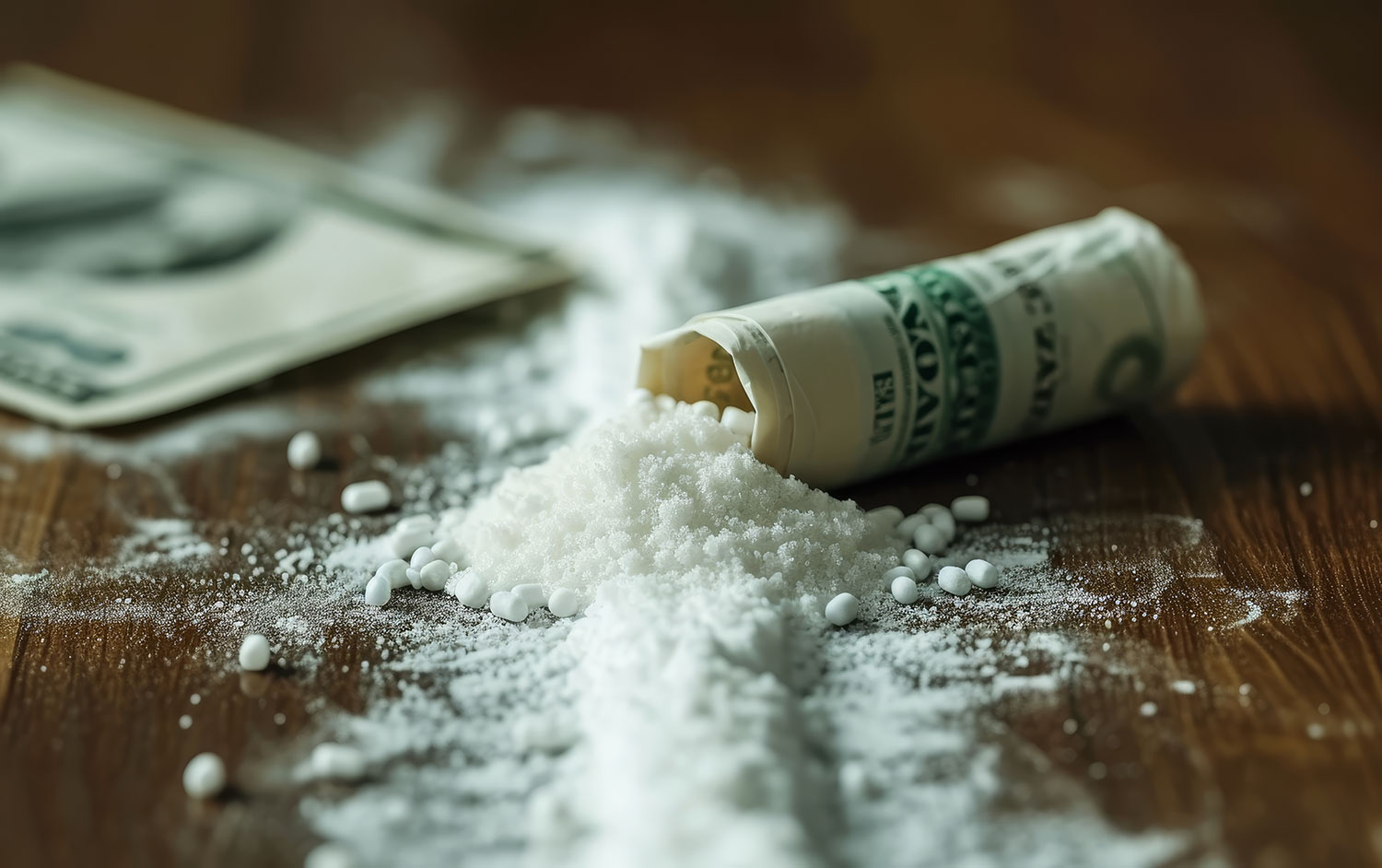
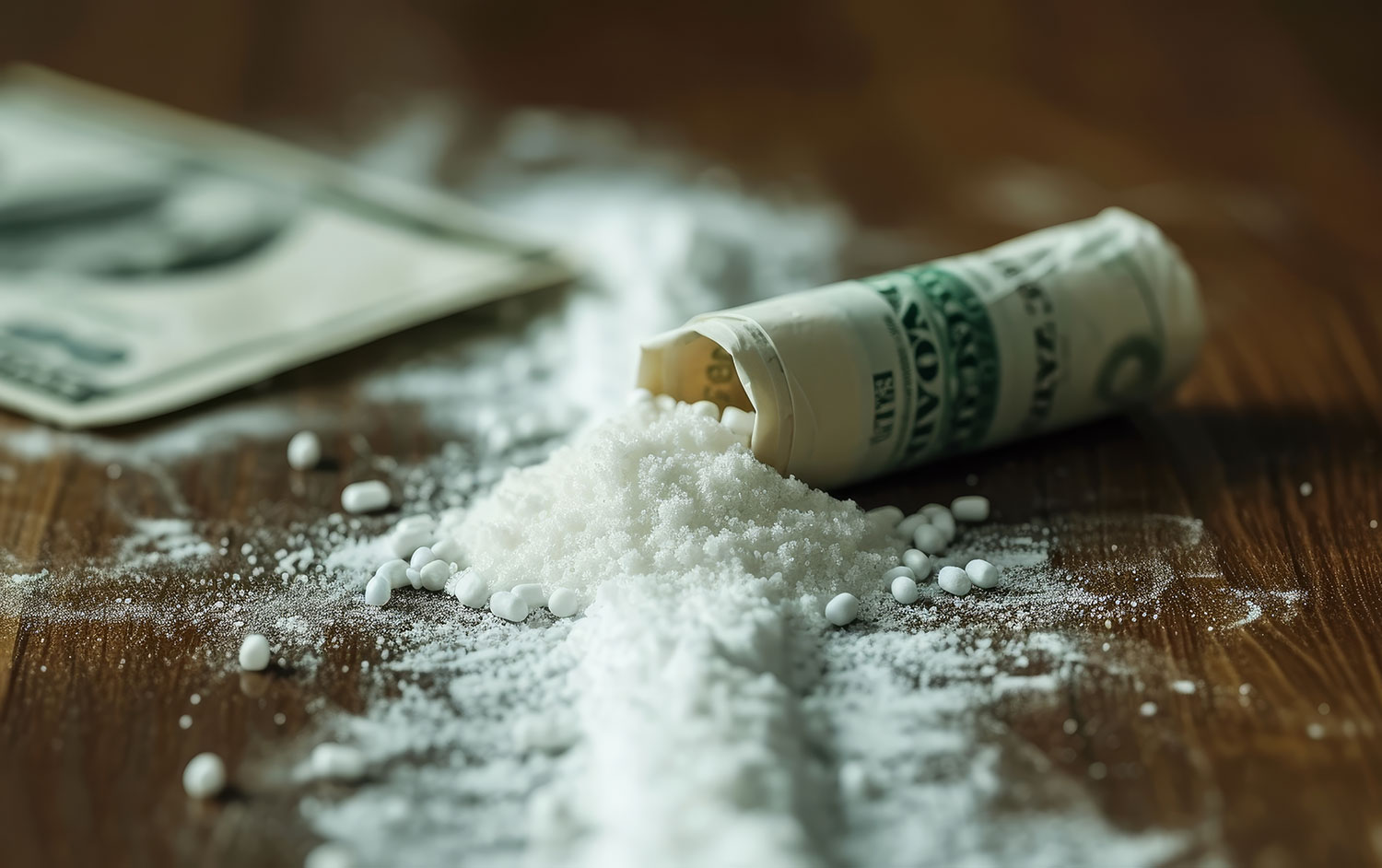
The stimulant effect the body gets used to when it is in the throes of cocaine dependence speeds up various physical and mental processes, which increases attention, energy, and focus—at first. The cocaine high can take a few minutes to really feel, but then lasts for 15 to 60 minutes. Its smoked form, crack cocaine, goes through the lungs and right into the bloodstream where it affects the brain at once, causing an intense high that is almost immediate. This quicker onset of the high is counterbalanced by its shorter duration—usually only about 5 or 10 minutes. Both cocaine and crack cocaine lead to tolerance, dependency, and addiction that is difficult to shake, especially given the lack of options that are available to stimulant users.
As of 2017 there are very few mainstream treatment options available for individuals who are addicted to stimulants. After prolonged use of cocaine, your brain’s neurochemistry no longer functions in an effective manner. You need to constantly increase your dose to experience the same effects — and as with most drugs — tolerance sets in. Crack and intravenous use of cocaine are notoriously difficult habits to break away from; when your neurochemistry has been hijacked it’s very difficult to follow-through on treatment plans and other goals.
People who use and abuse cocaine and crack cocaine are seeking a specific kind of high that only a powerful stimulant can provide. That high comes with feelings of euphoria, the sense that things around you are unreal and that you can escape reality, inflated sense of self and corresponding feelings of self-importance, increased focus, and intense bursts of energy. However, ask anyone who’s experienced withdrawals from crack or cocaine and they’ll tell you that all of these positives are quickly outweighed by serious side-effects and negative consequences.
Cocaine and crack cocaine are both powerfully addictive. Despite what you might have heard, this doesn’t just apply to crack cocaine – insufflating (snorting) cocaine also produces a strong stimulant effect that can lead to serious drug dependence issues and a rapid onset of addiction for individuals who have a genetic or psychological predisposition for becoming drug-dependent. Dependence is common for cocaine and crack and detoxing is a difficult process that is unsupported for most people, thanks to a lack of resources designed to handle the nature of the drug and its brand of addiction throughout our society.
The idea of casual use of cocaine or crack cocaine is a convenient myth, but one you’re not likely to experience in practice. Symptoms of abuse may be both physical and psychological, and they point to the need for crack cocaine treatment. As the reward centers in the brain get used to the stimulation provided by cocaine and crack cocaine, they “demand” more stimulation, pushing the user to find and use more of the drug at any cost.
After the brief high cocaine and crack cocaine provide, users feel a desperate need to use again. This is driven by feelings of agitation, irritability, paranoia, and restlessness. Physical signs of cocaine and crack dependence include: dilated pupils, hypertension, increased heart rate, insomnia, muscle twitching, nosebleeds, suppressed appetite, and weight loss. Behavioral and psychological symptoms include: aggression, auditory and visual hallucinations, the inability to stop using even when you want to, persistent and obsessive thoughts about using, paranoia, psychotic symptoms, placing high priority on finding and using more, volatile mood swings, and using at the expense of finances, relationships, and other critical components of your life.
If you’re experiencing these signs of dependence, it’s time to seek out cocaine or crack addiction treatment.